History & Culture
Cambodia Independence Day: November 9
A national day of sovereignty, remembrance, and pride
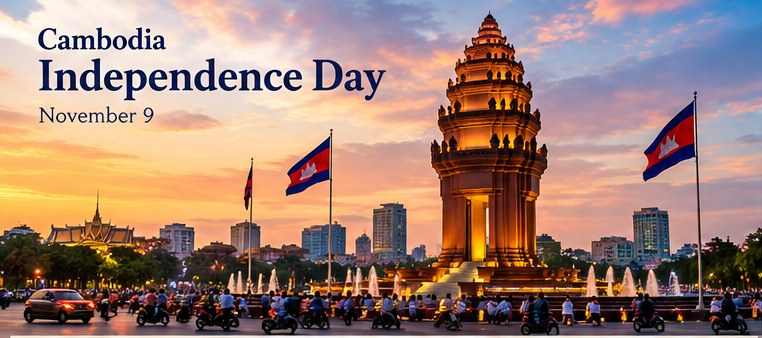
Cambodia celebrates Independence Day every year on November 9. The date commemorates the country’s independence from French protectorate rule in 1953, following a campaign led by King Norodom Sihanouk. It is a moment to reflect on sovereignty, national identity, and the people who helped shape modern Cambodia.
1. Why November 9 matters
The date marks the achievement of independence in 1953. It is distinct from the anniversary of the 1991 Paris Peace Agreements and from other national commemorations. Remembering the date helps connect present-day Cambodia with its modern history.
2. How the day is observed
Official ceremonies may include events at the Independence Monument in Phnom Penh, flag displays, speeches, wreath-laying, and community gatherings. The precise program can vary from year to year, so check current official announcements for event times and access details.
3. The Independence Monument
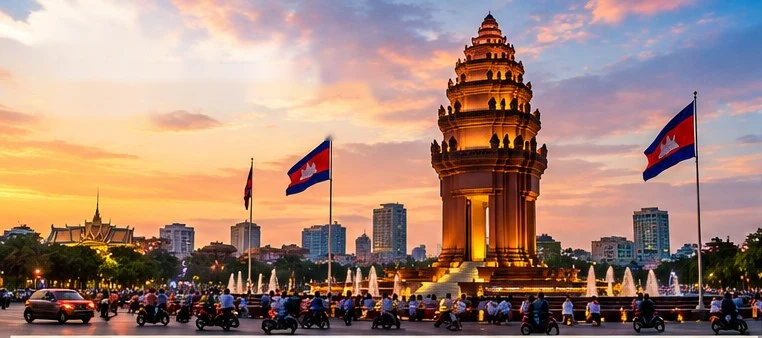
Phnom Penh’s Independence Monument is a major national symbol and a focal point for ceremonies. Its Khmer-inspired design makes it a recognizable landmark in the capital and a place where people gather to remember independence.
4. A respectful way to celebrate
Learn about the historical timeline, display the Cambodian flag respectfully, visit public monuments when open, or share family stories about Cambodian history. If attending a ceremony, follow local guidance and expect traffic or temporary road closures.
Planning note: Public holiday calendars and event arrangements can change. Confirm the current year’s dates and official notices before planning travel or relying on a closure.
Historical background: the road to independence
Cambodia’s Independence Day remembers the end of French protectorate rule and the achievement of independence in 1953. The campaign for independence was associated with King Norodom Sihanouk, whose political efforts helped bring the issue to the forefront. The date November 9 is now a yearly opportunity to learn about this turning point and how Cambodia’s modern state developed.
History is more than a single date. The path to independence took place in a wider period of change across Southeast Asia after the Second World War, when countries and communities debated sovereignty, political representation, and their future relationships with European colonial powers. Remembering the day helps readers place Cambodia’s experience in that regional context without reducing a complex history to one ceremony.
For a careful overview, the Extraordinary Chambers in the Courts of Cambodia (ECCC) historical timeline records that Cambodia achieved independence on November 9, 1953. Readers interested in deeper study can consult institutional histories and primary documents, and compare accounts rather than relying on social media summaries.
The Independence Monument and national remembrance
The Independence Monument in Phnom Penh is one of the best-known public symbols associated with the holiday. Its Khmer-inspired architecture makes it recognizable in the capital’s civic landscape. Official commemorations may include wreath-laying or other ceremonies at national monuments, public messages, and events organized by state institutions. The exact schedule can vary by year, so visitors should check current announcements rather than assume every activity will take place at the same time.
National symbols can serve as starting points for conversations about history. A monument does not tell every part of the story on its own, but it can encourage people to ask why it was built, what event it represents, and how public memory changes over generations. Families and teachers can use November 9 to explore photographs, maps, oral histories, and age-appropriate historical materials.
How people can mark the day respectfully
People observe national holidays in different ways. Some follow official ceremonies, read about Cambodian history, display the national flag, visit public landmarks when open, or spend time with relatives. Others use the day to share stories about a family’s experience of Cambodia across generations. There is no need to assume that every person celebrates in the same way.
If you plan to attend a public event, check the venue and timing in advance, allow extra travel time, and follow instructions from local organizers. Roads near major ceremonies may be restricted, and opening hours for museums, shops, and government services can differ from normal schedules. Keep children close in crowds and use official public-safety guidance.
Independence Day in the Cambodian calendar
November 9 is a fixed date on the Gregorian calendar. This makes it different from some Cambodian religious and cultural festivals whose dates are calculated using lunar-calendar traditions and therefore move from year to year on the Gregorian calendar. When planning a visit or checking workplace arrangements, use the official holiday calendar for the relevant year.
Independence Day also differs from other national observances. Coronation Day on October 29 remembers the formal coronation of King Norodom Sihamoni in 2004, while Peace Day on December 29 focuses on peace and national reconciliation. Each date has its own historical background and should be described accurately.
Sources and further reading
- Extraordinary Chambers in the Courts of Cambodia (ECCC): Historical Context — timeline noting Cambodia’s independence on November 9, 1953.
- Cambodia Ministry of Tourism: Festivals and public observances — background on Cambodian national and cultural celebrations.
This guide is intended as an accessible introduction, not a complete history of Cambodia’s independence movement. For academic work, consult historical scholarship and primary sources alongside public information pages.
Related articles
Frequently asked questions
When is Cambodia Independence Day?
Every year on November 9.
When did Cambodia gain independence from France?
Cambodia’s independence is commemorated as taking effect on November 9, 1953.
Is it a public holiday?
Yes, it is listed among Cambodia’s national public holidays; confirm the official annual holiday calendar for workplace arrangements.
Explore more: Cambodian Public Holidays · Coronation Day · Khmer Calendar
← Back to the MyBirthSign Blog